Window, Light & Privacy
How to Insulate Rental Windows Without Drilling
Direct afternoon sun can overheat a rental room, while cold glass can make the area near a window uncomfortable.
First confirm that the window is sound and that the problem is not a draft, failed seal, damaged glass, or HVAC issue.
Editor
SoloFave Editorial Team
Updated
July 2026
How we picked
Window condition, cellular construction, close-fit potential, no-drill compatibility, safe operation, and climate exposure.
Quick answer
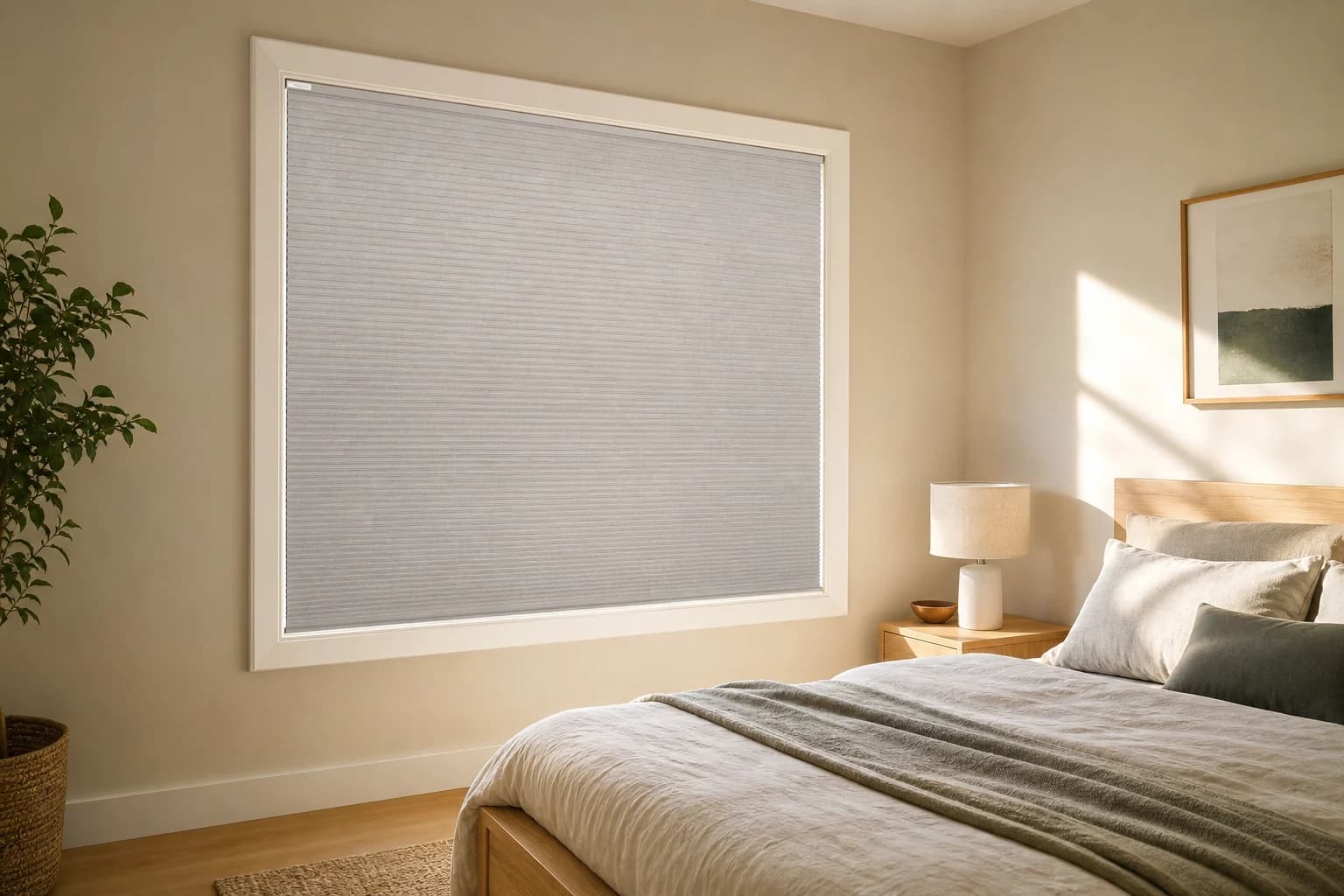
For a hot or cold rental room with a sound window, start with a close-fitting no-drill cellular shade.
Recommended first
The SoloFave Pick
The one solution we would try first for this specific problem.
- Product type
No-drill cellular shade
- Difficulty
- Easy
- Why this pick
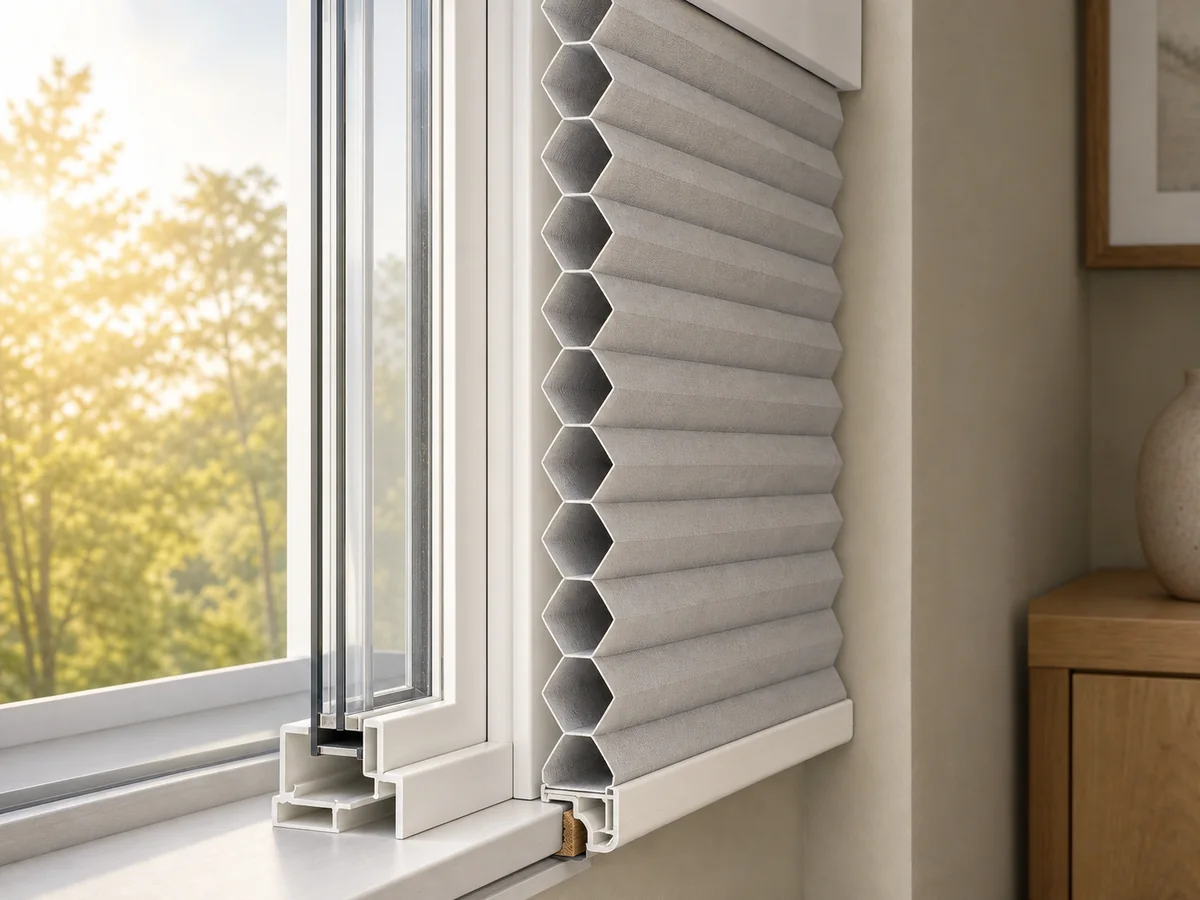
- Cellular construction and careful fit add an adjustable insulating layer at the glass without requiring permanent drilling.
Best For
- Rental rooms that overheat during a predictable period of direct sun.
- Bedrooms or work areas that feel uncomfortable near cold glass.
- Sound windows that do not show an obvious air leak or failed seal.
- Windows with enough frame depth or surface area for an approved no-drill mount.
- People who want adjustable light control instead of a fixed seasonal covering.
- Rooms where a compact shade fits better than a curtain and rod.
The Problem
Strong sun through glass is solar heat gain. Closing a shade during the hottest exposure can reduce how much reaches the room, although glass type and sun direction still matter.
Feeling cold beside closed glass is not automatically a draft. Your body exchanges heat with the colder surface, and nearby room air can cool and move downward. A fitted shade adds separation from that surface.
Moving air around a sash, damaged weatherstripping, condensation between panes, cracked glass, or a window that will not close points to repair. Discomfort away from the window may require an HVAC or whole-room diagnosis.
If sleep and darkness are the main problem, use the blackout without drilling guide instead of treating this as a thermal-only decision.
Why this is our one pick
- A cellular shade forms enclosed pockets that hold relatively still air, adding resistance between the room and glass.
- A close fit limits edge bypass, while operating clearance keeps the fabric and hardware moving safely.
- The adjustable shade can manage unwanted sun, useful daylight, privacy, and cold-period comfort.
- No-drill mounting can suit a rental when the selected system is compatible with the frame, surface, lease, and manufacturer instructions.
- The recommendation stays limited: it can improve comfort at a sound window but cannot substitute for repair, weatherization, or HVAC work.
Alternatives We Compared
Thermal curtains
Curtains can overlap the frame and add a fabric look. They need rod support and wall space and may affect nearby furniture, heaters, or access.
Seasonal plastic film kit
A compatible film kit can create a temporary winter air-sealing layer. It limits access and is usually seasonal rather than an adjustable covering.
Solar-control film
Solar-control film may suit glare or solar gain when approved for the glass and lease. It is fixed in place, and compatibility must be checked.
Bubble wrap
Bubble wrap allows a low-cost temporary experiment where view and appearance are not priorities. It reduces visibility and is not our first year-round choice.
Limitations and who should skip this
- Windows with detectable drafts, damaged weatherstripping, broken locks, cracked glass, or failed seals.
- Rooms with an HVAC problem or a temperature issue that is not concentrated near the window.
- Frames that are too shallow, uneven, weak, textured, or otherwise incompatible with the mount.
- Very wide openings that exceed the shade maker's supported dimensions.
- Windows where the headrail or fabric would block handles, locks, cranks, ventilation, or emergency access.
- Situations where normal operating clearance would leave gaps too large for the comfort goal.
- Anyone expecting one interior shade to perform like a repaired or upgraded window assembly.
How to set it up
Step 1: Diagnose the window
Check sun, cold-glass discomfort, moving air, damage, condensation between panes, and hardware conflicts.
Step 2: Measure and compare requirements
Record three widths, height, usable depth, trim, controls, and manufacturer-specific sizing rules.
Step 3: Install as directed
Use approved surface preparation, attach the no-drill mount as directed, and keep the shade level.
Step 4: Test normal use
Operate the shade, window, and locks; confirm nothing rubs, shifts, or blocks required access.
Buying Notes
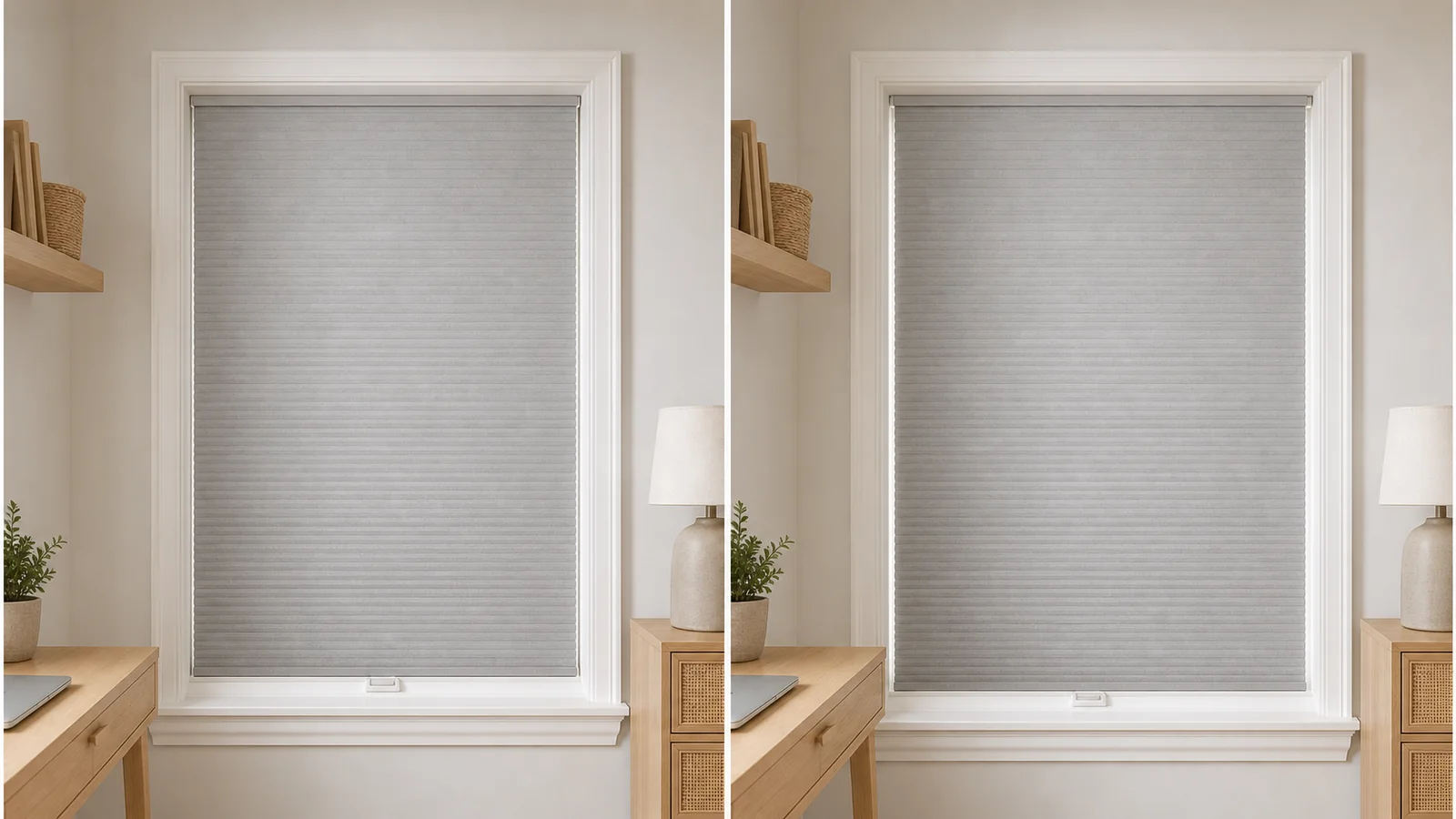
Measure width in three places
Measure the top, middle, and bottom, then follow the maker's sizing rule.
Use the manufacturer's deduction
Inside-mount allowances differ. Do not apply a universal deduction or assume the factory will make one automatically.
Confirm manufacturer-specific minimum depth
Compare stated minimum and flush-mount depth with the shallowest usable frame area.
Identify the mounting method
No-drill may mean tension, clips, adhesive, or another system. Match it to the frame material and lease, and review broader choices in the renter-friendly window covering guide.
Protect controls and emergency access
Keep handles, locks, cranks, ventilation, and emergency-egress paths usable.
Choose blackout or light-filtering intentionally
Select blackout when darkness is also needed and light-filtering when daylight matters more. Neither label alone proves a specific thermal result.
Check side-track compatibility
If side gaps are important, verify safe clearance for a compatible track. The light-gap guide explains when side tracks fit the problem.
Read surface and removal instructions
Confirm preparation, attachment, and removal guidance for the actual finish. Removable does not mean risk-free on every surface.
Prioritize child safety
Prefer cordless operation or keep cords and loops inaccessible according to the instructions.
Ignore unsupported performance percentages
Compare fit, construction, compatibility, and operating guidance rather than expecting a guaranteed energy-saving or heat-transfer percentage.
Common Mistakes
Treating every cold sensation as a draft
Cold-glass discomfort and air leakage are different problems. Use a covering for heat transfer at a sound window; pursue repair when air is entering through the assembly.
Measuring only once
Rental frames may not be square. One width measurement can cause binding or avoidable gaps.
Applying a universal sizing rule
Seller deductions and depth requirements vary. Follow the exact model's instructions.
Buying blackout fabric for a thermal label alone
Blackout addresses light transmission. Thermal comfort also depends on cellular construction, fit, exposure, and operation.
Ignoring edge bypass
Large gaps weaken the boundary. Balance close coverage with smooth operating clearance.
Expecting a shade to solve the whole room
An interior covering cannot correct damaged glazing, persistent drafts, inadequate HVAC, or heat entering through walls and ceilings.
Final Verdict
For a hot or cold rental room with a sound window, start with a close-fitting no-drill cellular shade. It is the most balanced first pick because it adds an adjustable insulating layer without requiring permanent drilling.
Choose repair when the window leaks air or is damaged, and choose another covering when the frame, opening width, controls, or design goals do not suit a cellular shade. The right result comes from matching the fix to the actual problem, not from expecting one fabric to solve every source of heat loss or gain.
FAQ
Do cellular shades really help insulate windows?
They can reduce heat transfer by adding cellular fabric and relatively still air between the room and glass. Results vary significantly by window construction, fit, climate, and installation, as well as the shade's cellular design and operation; a shade does not turn an older window into a new insulated unit.
Are blackout cellular shades better for heat?
Not automatically. Blackout describes light control. Thermal performance also depends on cellular structure, fit, fabric, backing, exposure, and operation. Choose blackout when darkness is also needed.
Can a renter install cellular shades without drilling?
Yes. Compatible products may use tension, clips, adhesive, or another no-drill mount. Check dimensions, surface instructions, lease rules, removal, and product limits.
Will cellular shades stop window drafts?
No. A shade may reduce room-air movement near the glass, but air entering through the sash, trim, or frame calls for weatherstripping, adjustment, maintenance, or repair.
Do side gaps reduce thermal performance?
Large gaps allow room air to move around the shade more easily, weakening the insulating boundary. Aim for the closest fit the product allows without causing rubbing, blocking hardware, or restricting safe window operation.
Are thermal curtains better than cellular shades?
Neither is best for every window. Curtains can overlap the frame and suit rooms with rod support and enough wall space. A cellular shade is more compact and directly covers the glazing, making it the clearer first pick for many compatible rental windows.
Share this fix
Copy the key takeaway with a source link, or share the full guide.
Related SoloFave Fixes
How to Black Out a Bedroom Without Drilling
Make a rental bedroom darker with one no-drill shade, while checking measurements, edge gaps, window hardware, and removal requirements.
Read the guideHow to Stop Light Leaking Around Blackout Blinds
Stop side-edge light from slipping around blackout blinds with one removable, renter-friendly fix.
Read the guideHow to Choose a Renter-Friendly Window Covering
Match the room's real window problem to one compatible no-drill covering, with clear checks for fabric, fit, mount, hardware, and removal.
Read the guideDisclosure
This page may include paid links. We may earn a commission if you buy through them, at no extra cost to you.