Window, Light & Privacy
How to Stop Light Leaking Around Blackout Blinds
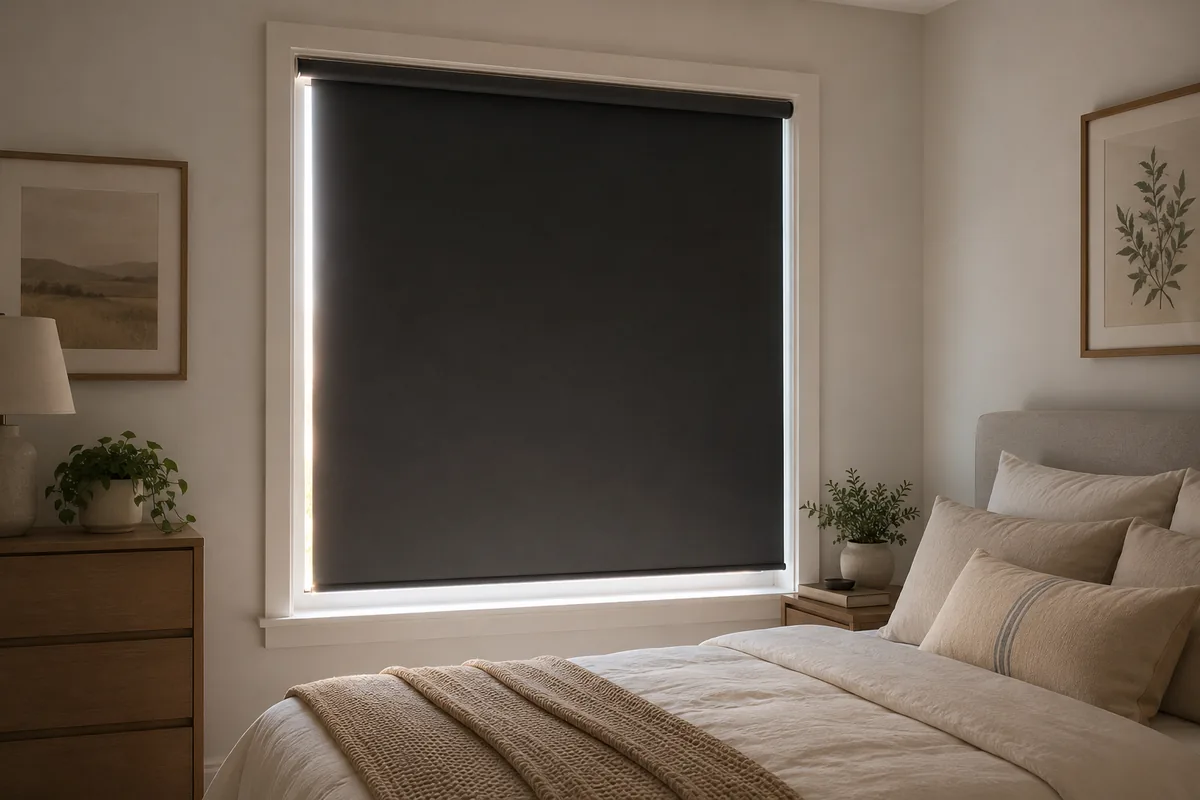
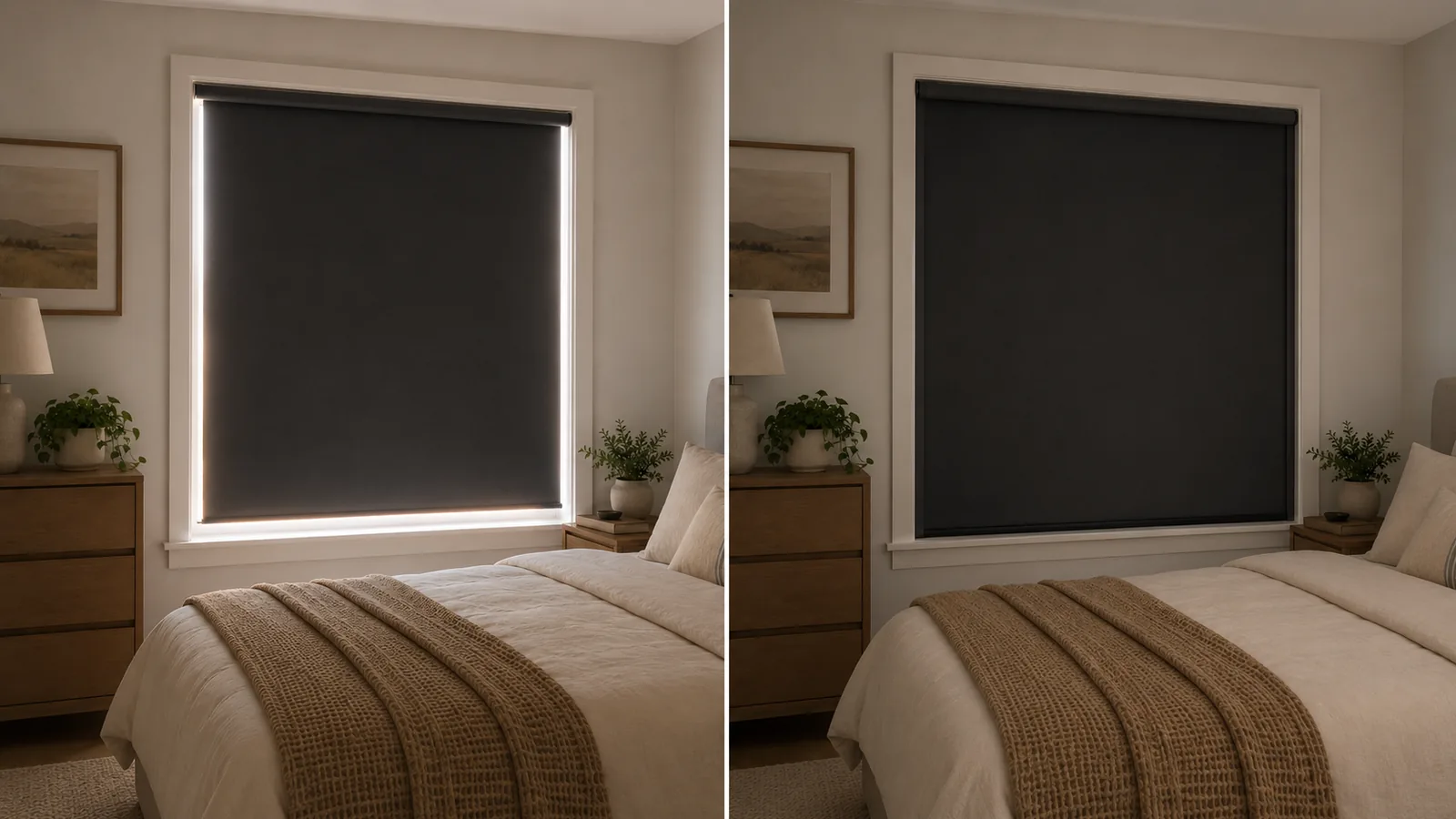
Blackout fabric can block light through the material while narrow bright lines remain along the sides of the blind.
First confirm that the leakage is concentrated at the edges rather than passing through the fabric or coming from the top or bottom.
Editor
SoloFave Editorial Team
Updated
July 2026
How we picked
Leak location, blind clearance, side-track fit, removable mounting, surface compatibility, and safe window operation.
Quick answer
If the blind fabric is already blackout and most unwanted light comes through the side gaps, use side tracks instead of replacing the blind.
Recommended first
The SoloFave Pick
The one solution we would try first for this specific problem.
- Product type
Removable light-blocking side tracks
- Difficulty
- Easy
- Why this pick
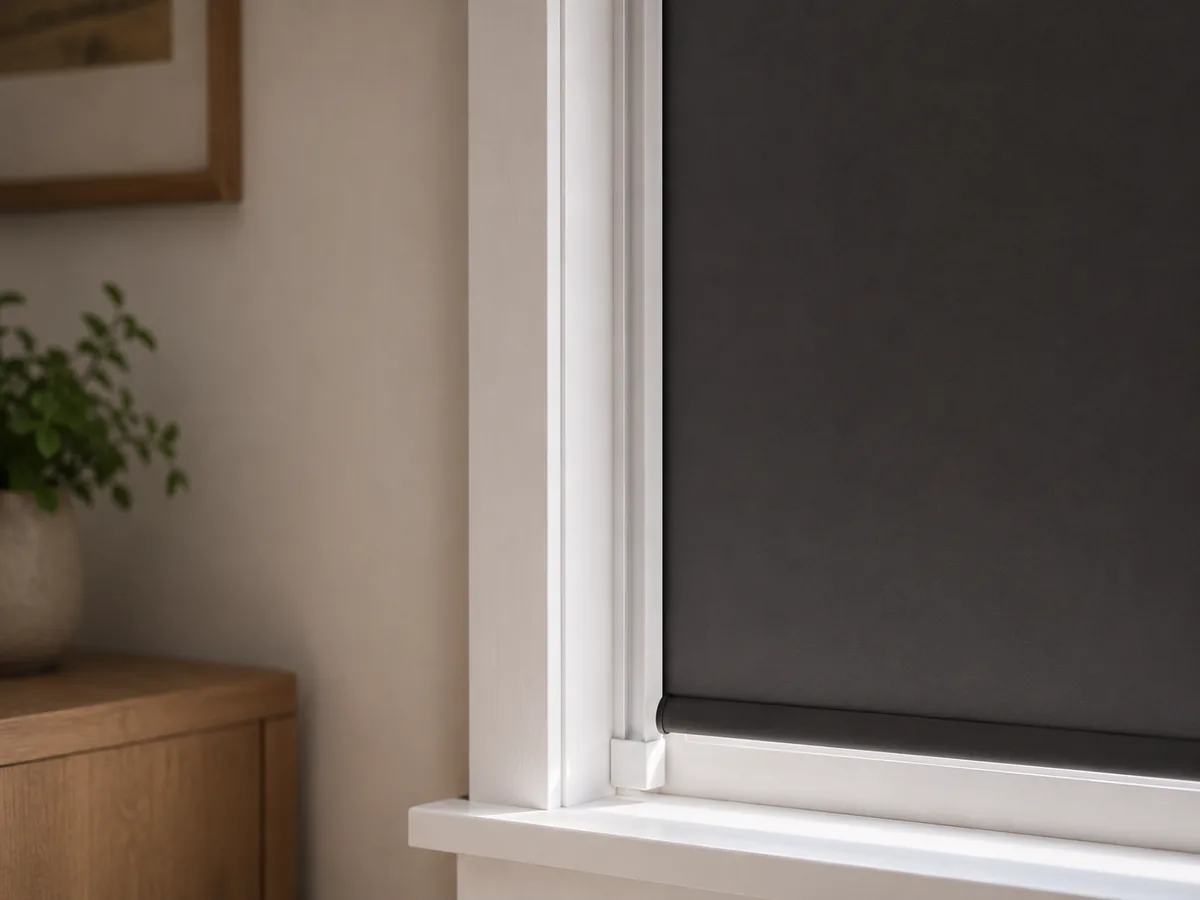
- Side tracks address the direct line of light beside the blind without requiring a complete replacement or permanent drilling.
Best For
- Bedrooms where a narrow side glow disrupts sleep.
- Nurseries where daytime naps are affected by direct edge light.
- Home theaters that need better control of bright side glare.
- Shift workers sleeping during daylight hours.
- Renters who cannot drill into the wall or window frame.
- Roller, zebra, or cellular blinds that already block light through the main fabric.
The Problem
The word blackout usually describes the fabric, not every part of the installed window covering. Opaque material can stop light from passing through its surface while daylight still travels through the open space between the fabric edge and the window frame.
Inside-mount roller, cellular, and zebra blinds normally need some operating clearance. The brackets, headrail, fabric roll, and moving shade cannot always sit tightly against both sides of the frame. That small clearance can create a bright vertical line even when the center of the blind looks fully dark.
Side gaps become especially noticeable when direct morning or afternoon sun hits the window. This does not automatically mean the blind is defective. It usually means the fabric and the installation are handling two different jobs: the fabric blocks light through the blind, while the uncovered edge still needs better overlap or coverage.
Why this is our one pick
- Side tracks solve the specific problem instead of replacing blackout fabric that is already working.
- They sit beside the blind edge and interrupt the direct line of light through the side gap.
- A surface-mounted system can be more practical for renters than drilling permanent channels into the frame.
- They can work with several blind styles when the dimensions and operating clearances are compatible.
- The blind can still be raised and lowered when the tracks leave enough space for safe movement.
Alternatives We Compared
Wraparound blackout curtains
Curtains can cover top, side, and bottom gaps, but they need a rod, wall space, and more hardware than this targeted fix. If visibility after dark is the real issue, review our window privacy at night guide before choosing a darkness fix.
Magnetic light-blocking strips
Magnetic strips suit compatible metal or purpose-built systems. They are not the first pick because many frames are not magnetic, and moving parts still need clearance.
Temporary blackout panels
A removable panel can darken the full window for sleep or travel, but daily removal makes daylight and window access less convenient.
Wider outside-mount blinds
A wider blind can overlap the opening, but replacement is a larger project and may require drilling. If you need a new covering, compare options in our renter-friendly window covering guide.
Limitations and who should skip this
- Blinds whose fabric lets light through, are badly sized, or leak mainly above the headrail or below the lowered blind. Start with our blackout without drilling guide when the fabric itself is the problem.
- Badly warped or uneven frames that prevent a straight track from sitting securely.
- Windows where a side track would interfere with handles, locks, cranks, cords, or other controls.
- Surfaces with peeling paint, weak finishes, moisture, or residue that may not support adhesive safely.
- Windows that require clear emergency-egress access or unobstructed safety hardware.
- Blinds that already rub the frame or do not have enough side clearance for an added track.
How to set it up
Step 1: Lower the blind and locate the leak
Lower the blind when the gap is brightest. Confirm that the strongest light comes from the side edges, not through the fabric or above the headrail.
Step 2: Clean and dry the mounting surface
Follow the manufacturer's surface instructions. Remove dust and residue, then let the area dry completely.
Step 3: Test-position both tracks
Before exposing adhesive, hold both tracks in place. Cover the light path while leaving controls, ventilation, and emergency-egress access clear.
Step 4: Leave operating clearance
Raise and lower the blind while the tracks are temporarily positioned. Leave enough space to prevent rubbing.
Step 5: Attach and test
Attach the tracks as directed, then operate the blind several times. Stop if the fabric catches, rubs, or shifts a track.
Buying Notes
Measure usable side clearance
Measure the flat area beside the blind. It needs a stable mounting surface and room for the fabric to move.
Check track width and depth
A shallow track may miss the light path, while a deep one may interfere with the blind, trim, or controls.
Confirm blind compatibility
Confirm support for your roller, zebra, cellular, or other blind style. Similar designs can need different clearances.
Test movement before attaching
Raise and lower the blind without scraping. Leave a small operating gap instead of pressing the track against the fabric.
Plan left-and-right coverage
Most side leaks need both edges covered. Measure each side because frames are not always symmetrical.
Inspect the surface condition
Weak finishes, texture, moisture, and residue can affect adhesion and removal. Follow the manufacturer's surface guidance.
Confirm what removable means
Check what the manufacturer means by removable. On some products, the track detaches from a mounted base while the adhesive base remains attached to the frame. Review the removal instructions and test an inconspicuous area when appropriate; removable does not automatically mean damage-free.
Choose a practical track color
Choose a color that blends with the blind or window frame. Fit and safe operation matter more than color.
Common Mistakes
Replacing the blackout fabric when the side gap is the problem
Locate the leak first. If the center is dark and only the edges glow, new blackout fabric may leave the same gap.
Positioning tracks too close to moving fabric
The track does not need to touch the blind. Crowding the edge can cause rubbing, uneven movement, or wear.
Applying adhesive to dust or unstable paint
Dust weakens adhesion, and fragile paint can lift during removal. Avoid peeling, damp, chalky, or poorly bonded surfaces.
Buying without measuring depth
Width alone does not show fit. Measure available depth and compare it with the track profile and blind movement.
Blocking window hardware
Keep locks, cranks, controls, ventilation openings, and emergency-egress access usable. Window safety and access take priority over room darkening.
Assuming weatherstripping is automatically suitable
Weatherstripping is designed for air sealing, not necessarily for use beside a moving blind. Confirm blind clearance, normal window operation, adhesive suitability, and emergency-egress access before using it.
Final Verdict
For side-edge light leakage, side tracks are the most targeted renter-friendly fix.
They make the most sense when the existing blackout fabric already works, the frame has usable clearance, and the blind can move safely after installation.
FAQ
Why do blackout blinds have light gaps?
Blackout usually describes the fabric, not a completely sealed installation. Inside-mount blinds need operating clearance, so light can remain visible between the fabric edge and the window frame.
Do side tracks work with roller blinds?
They can work with roller blinds when there is enough flat side clearance and the blind can move without rubbing. Check the track dimensions and test the full up-and-down movement before attaching it.
Can side tracks work with zebra blinds?
Some can, but zebra blinds have layered fabric and may need more clearance than a simple roller shade. Confirm compatibility with the track maker and make sure neither fabric layer catches.
Will adhesive side tracks damage paint?
No adhesive can be assumed damage-free on every surface. Results depend on the adhesive, paint condition, surface preparation, installation pressure, and removal method. Follow the instructions and test an inconspicuous area first.
What should I do if light enters from the top?
Side tracks will not solve a large top gap. Check the headrail position, mounting style, and upper overlap; a valance, cornice, or better-sized outside-mount covering may be more appropriate.
Can I use weatherstripping instead?
Only with care. Weatherstripping varies in thickness, adhesive, and intended use, and it can interfere with blind movement or window hardware. A purpose-built removable light-blocking track is the clearer first choice.
Share this fix
Copy the key takeaway with a source link, or share the full guide.
Related SoloFave Fixes
How to Black Out a Bedroom Without Drilling
Make a rental bedroom darker with one no-drill shade, while checking measurements, edge gaps, window hardware, and removal requirements.
Read the guideHow to Choose a Renter-Friendly Window Covering
Match the room's real window problem to one compatible no-drill covering, with clear checks for fabric, fit, mount, hardware, and removal.
Read the guideHow to Get Nighttime Window Privacy Without Drilling
Improve nighttime window privacy with one opaque no-drill shade while checking lighting conditions, edge coverage, and rental compatibility.
Read the guideHow to Make a Bedroom Dark During the Day
Create a darker bedroom for daytime sleep with one removable covering that blocks light around the full window opening.
Read the guideDisclosure
This page may include paid links. We may earn a commission if you buy through them, at no extra cost to you.